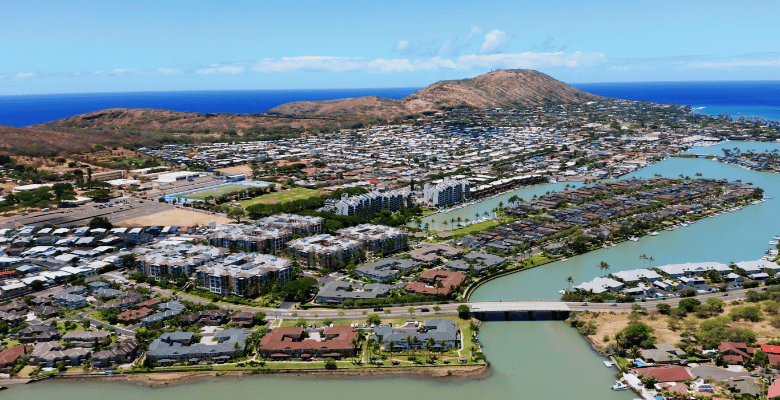
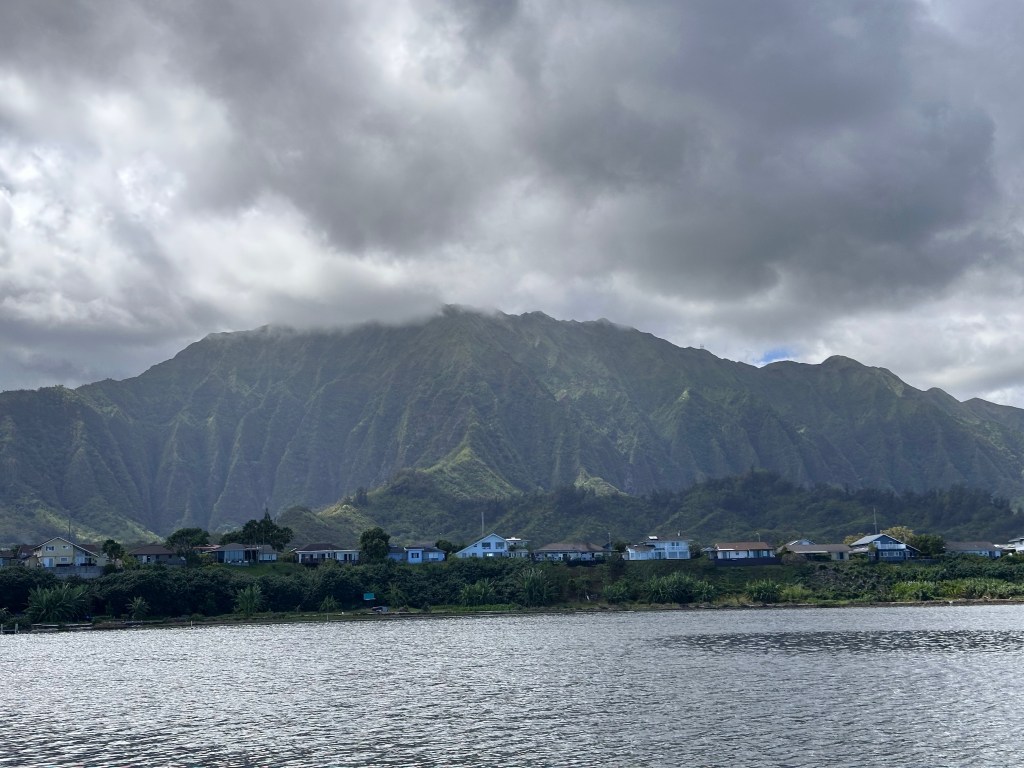
When most people think about Hawaiʻi, they imagine beautiful beaches and clear blue water. Maunalua Bay in Hawaiʻi Kai looks exactly like that at first glance – a calm bay surrounded by homes, mountains, and a peaceful shoreline.
But standing in the water during our beach laboratory sessions, I started to realize that this place holds a much deeper story.
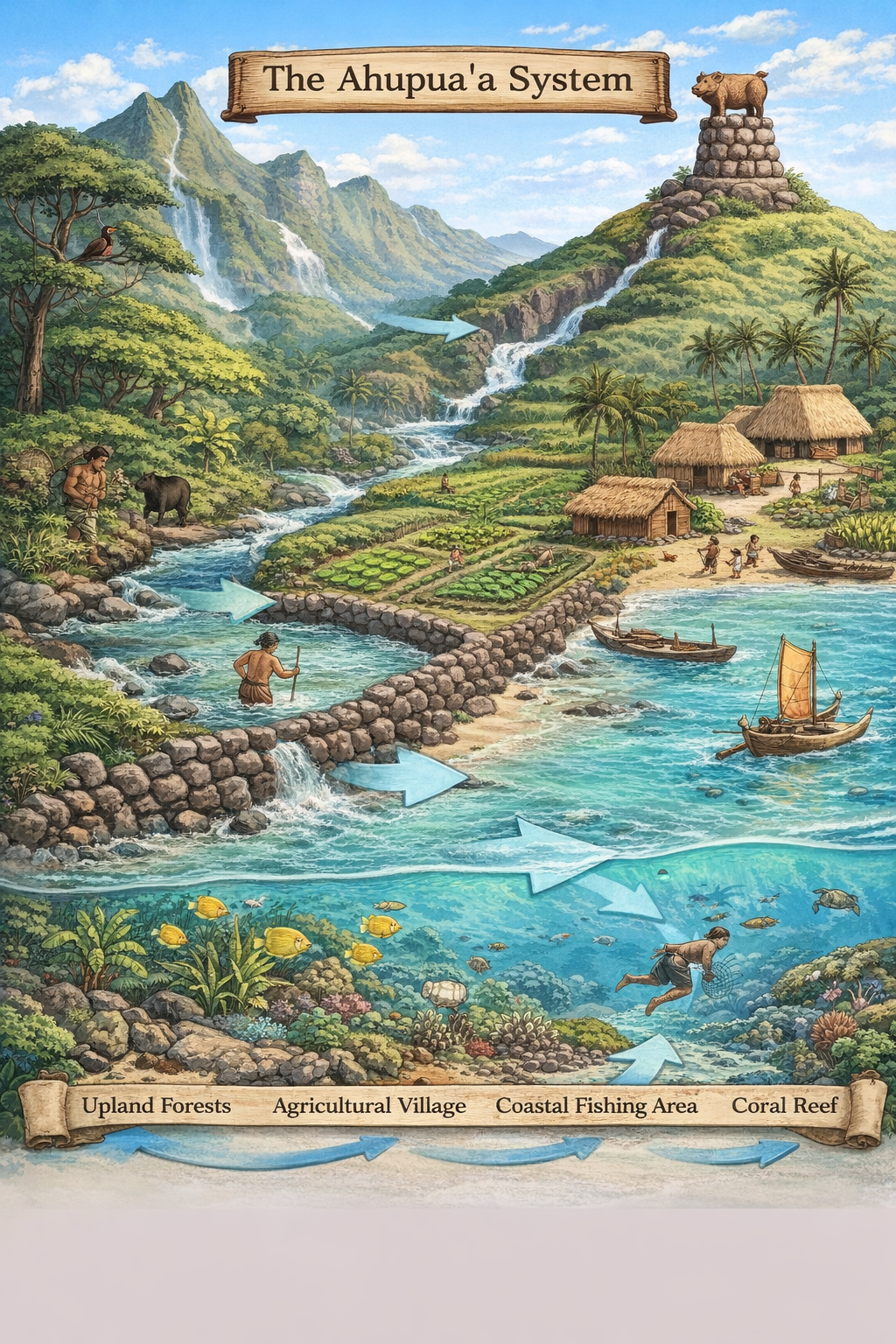
Maunalua Bay was historically part of the Maunalua Ahupuaʻa, a traditional Hawaiian land division that stretched from the Koʻolau mountains all the way to the ocean. In the ahupuaʻa system, land was not separated into isolated pieces the way we often see today. Instead, it functioned as one connected system where forests, streams, farms, and coastal fisheries supported each other.
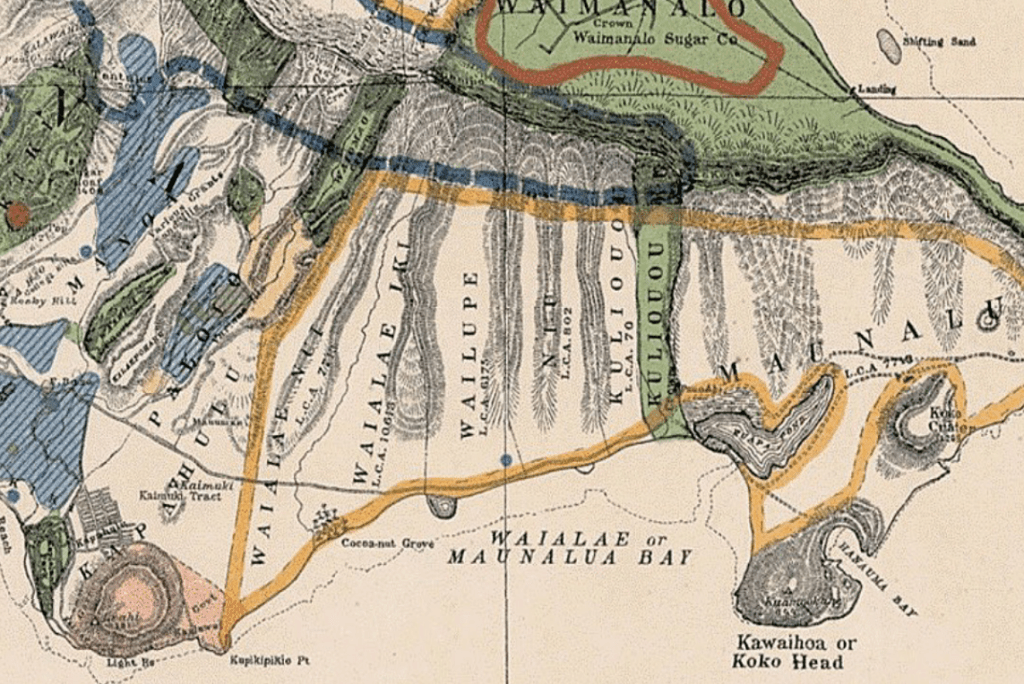
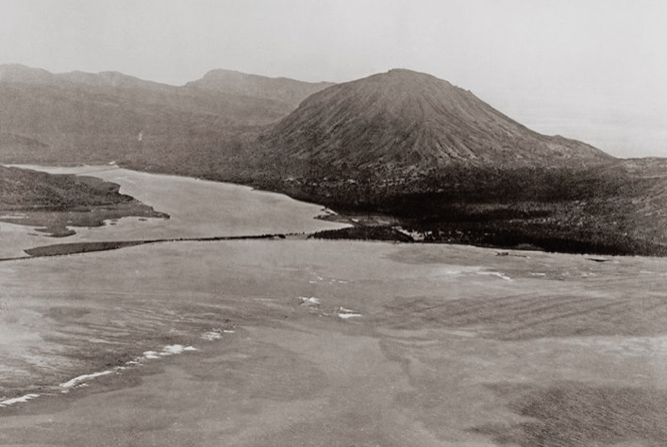
Photo from: https://www.maunalua.net/lukela.html
Water flowing from the mountains would travel through valleys and eventually reach the ocean, carrying nutrients that supported marine life. Coastal areas like Maunalua Bay were once home to fishponds and thriving reef ecosystems that provided food for local communities.
Today the landscape looks very different. The shoreline is now surrounded by residential development and urban infrastructure. Yet the bay still holds important ecological lessons about how land and ocean remain deeply connected.
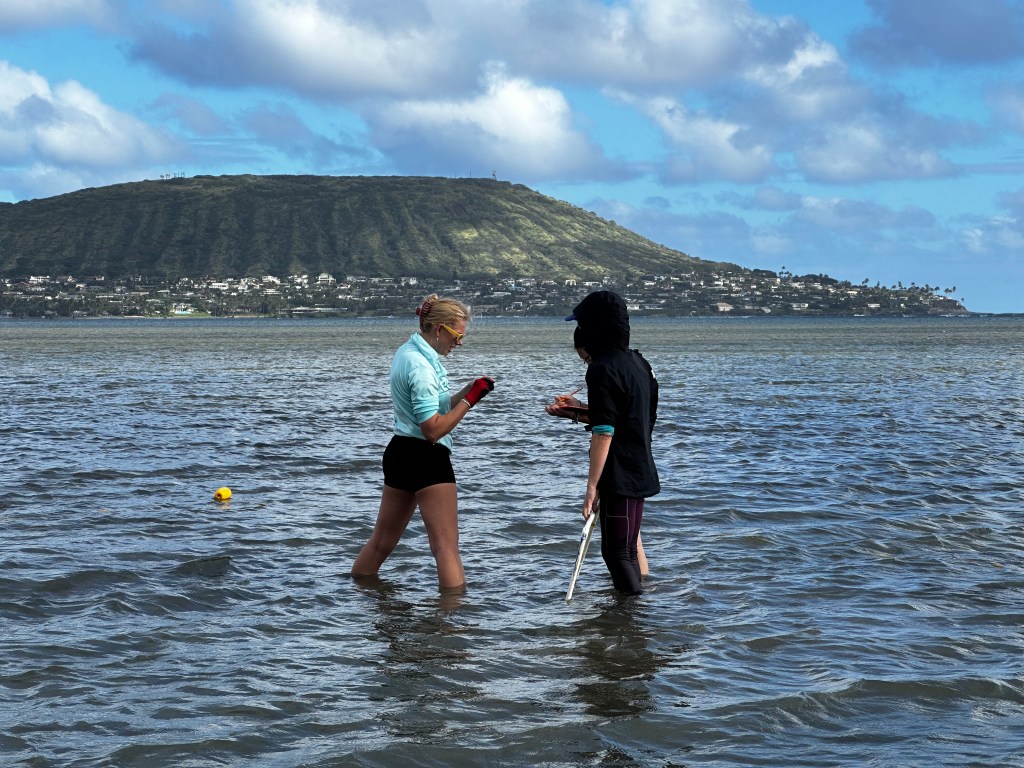
This semester, through my Hawaiʻi Biology laboratory course, our class visits Maunalua Bay to study marine ecosystems and learn about invasive algae species. During these field sessions, we place quadrats in the water and document the types of algae growing in the area.
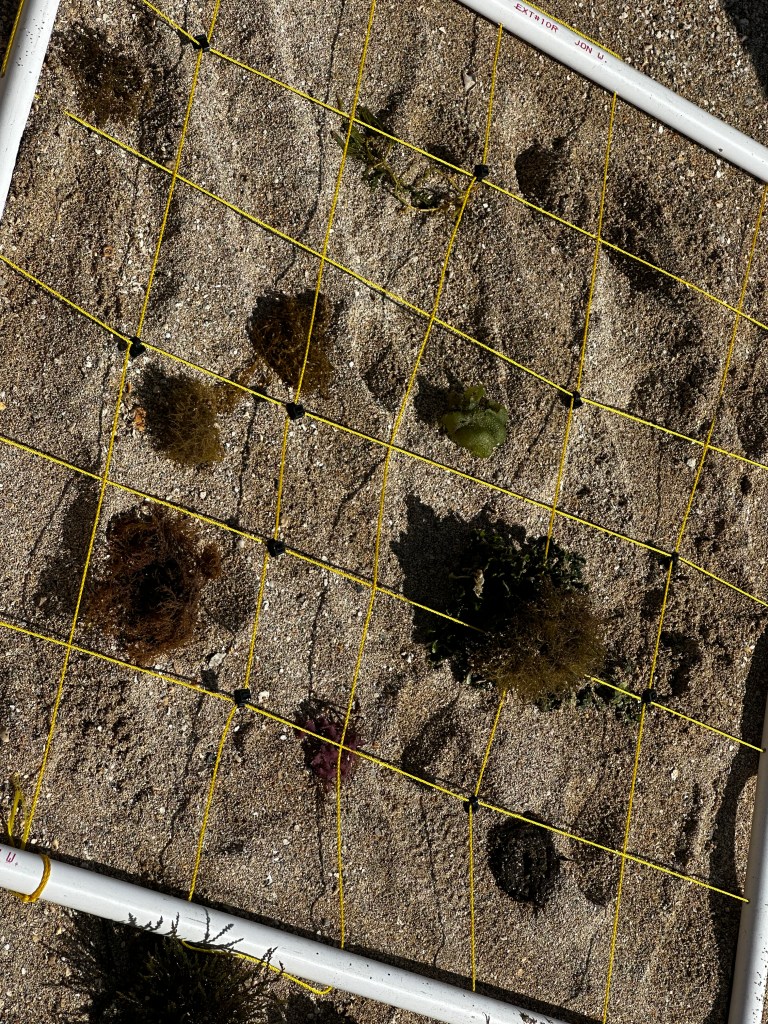
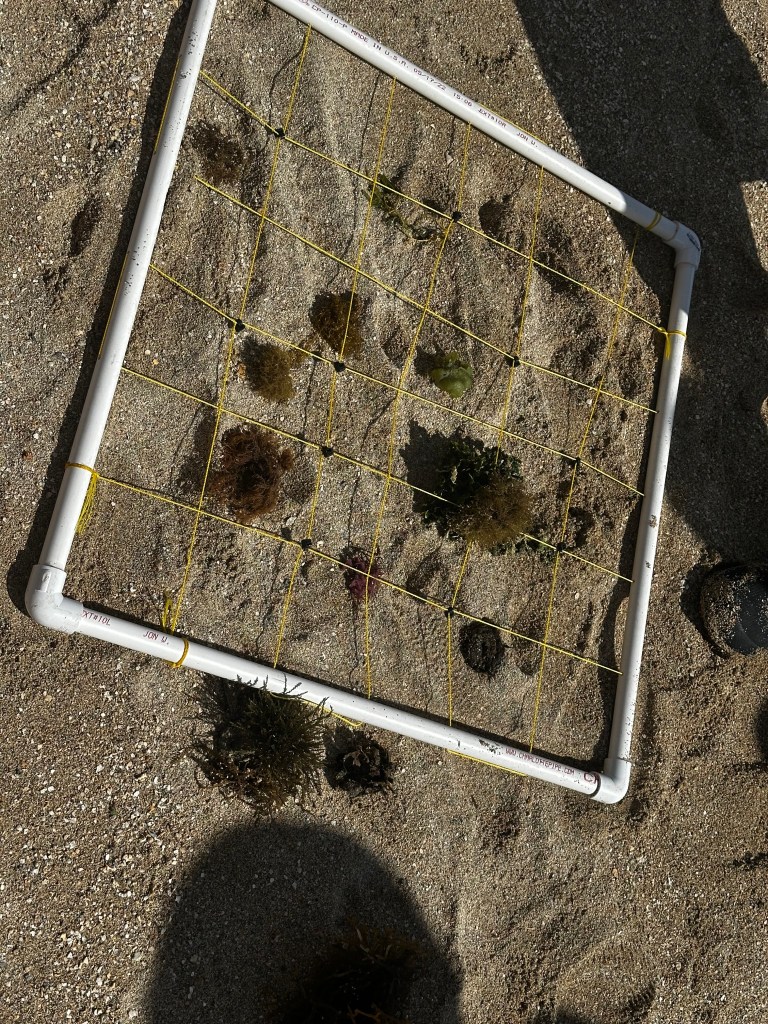
These simple square grids allow us to observe what species are present and how marine plants are distributed across the reef. Some of these algae species are invasive and can grow rapidly, covering coral and altering the natural balance of the reef ecosystem.
Organizations like Mālama Maunalua (https://malamamaunalua.org/education/ ) are actively working to restore the bay by removing invasive algae and educating the community about the health of this ecosystem.
Through their programs and our field labs, students are learning to see the bay not just as a recreational beach, but as a living system that reflects what is happening across the entire landscape.
For my PHIL100 community project, I plan to document Maunalua Bay as one example of how the traditional ahupuaʻa system can help us understand Hawaiʻi today.
One part of this project will involve comparing historical maps and descriptions of the Maunalua Ahupuaʻa with the modern landscape we see today. By placing historical images next to present-day photos of the same locations, I hope to visualize how the land and ocean systems have changed over time.
Standing in the water during these beach labs, surrounded by mountains, neighborhoods, and the open ocean, it becomes easier to imagine the island not as separate environments, but as one connected system stretching from the mountains all the way to the sea.
This project is the beginning of learning how to read that landscape again.



 Heidi Ahihi
Leave a comment