Recently, I watched Prada Re-Nylon: Stewards of the Ocean with Benedict Cumberbatch.
What fascinated me was that Prada was not selling clothes.
They were selling awareness.
A feeling.
A responsibility.
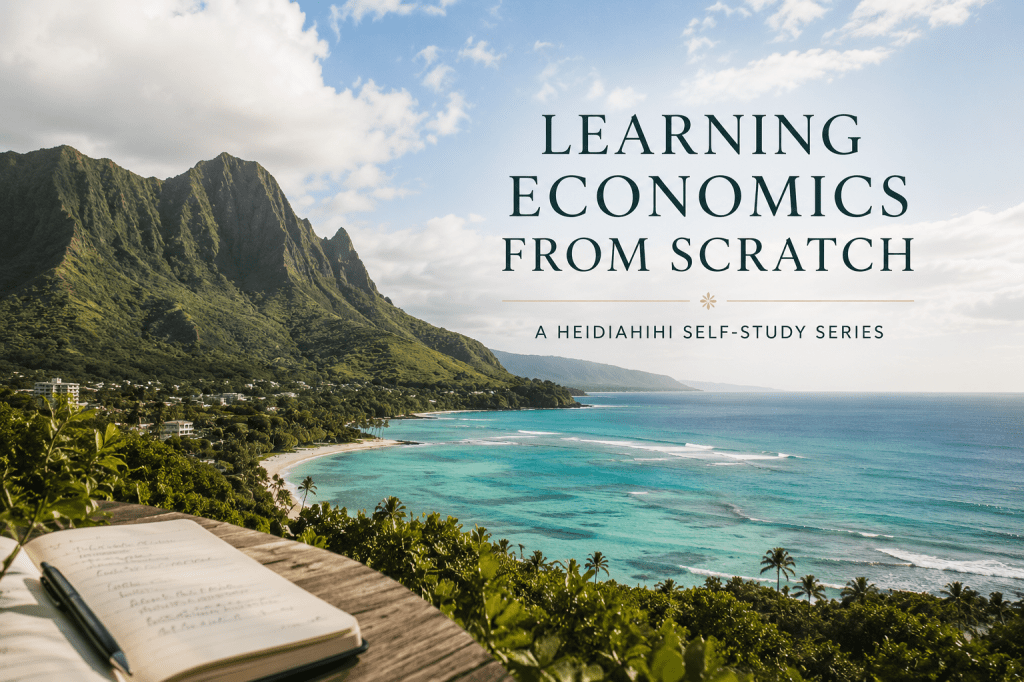
And suddenly I thought about Hawaiʻi.
Maybe Hawaiʻi has been telling its story too cheaply to the world.
People come here for beaches, hotels, shopping, and photos.
But the real luxury of Hawaiʻi was never something you could buy after landing at the airport.
The luxury was already here long before us.
The water you drink filtered through volcanic layers beneath the earth for years before reaching your hands.
The air you breathe exists because generations protected mountains, oceans, native forests, and trade winds.
The silence you feel at sunrise exists because people fought to preserve pieces of nature from overdevelopment.
Even the shade of a tree, the sound of birds in the morning, the clarity of ocean water, these are not accidents.
They are the result of protection.
Of restraint.
Of generations choosing not to destroy everything for short-term profit.
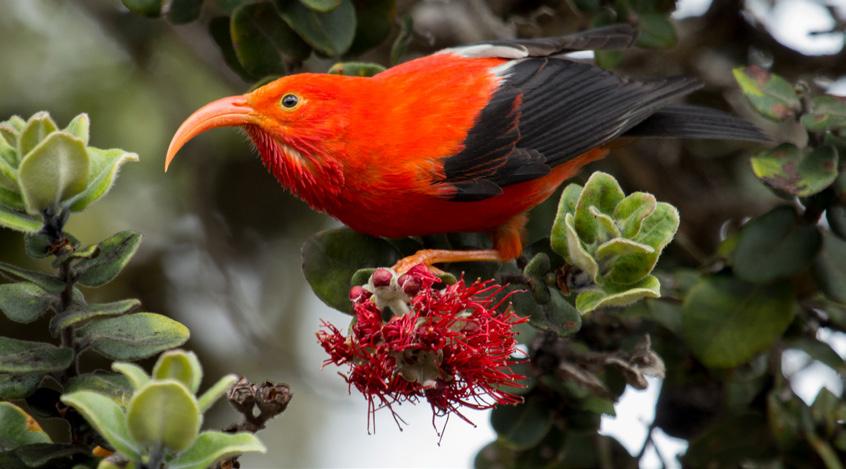
Many visitors do not realize that some of the plants and animals they casually pass by exist nowhere else on Earth except Hawaiʻi.
The native birds singing in the morning.
The fragile ecosystems hidden in mountain forests.
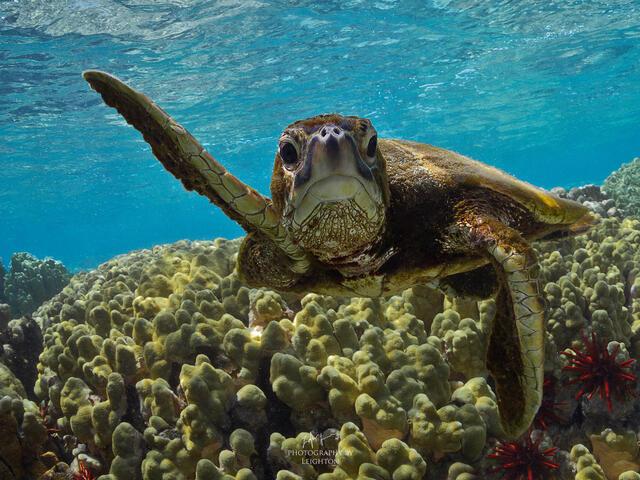
The coral reefs protecting shorelines beneath the water.
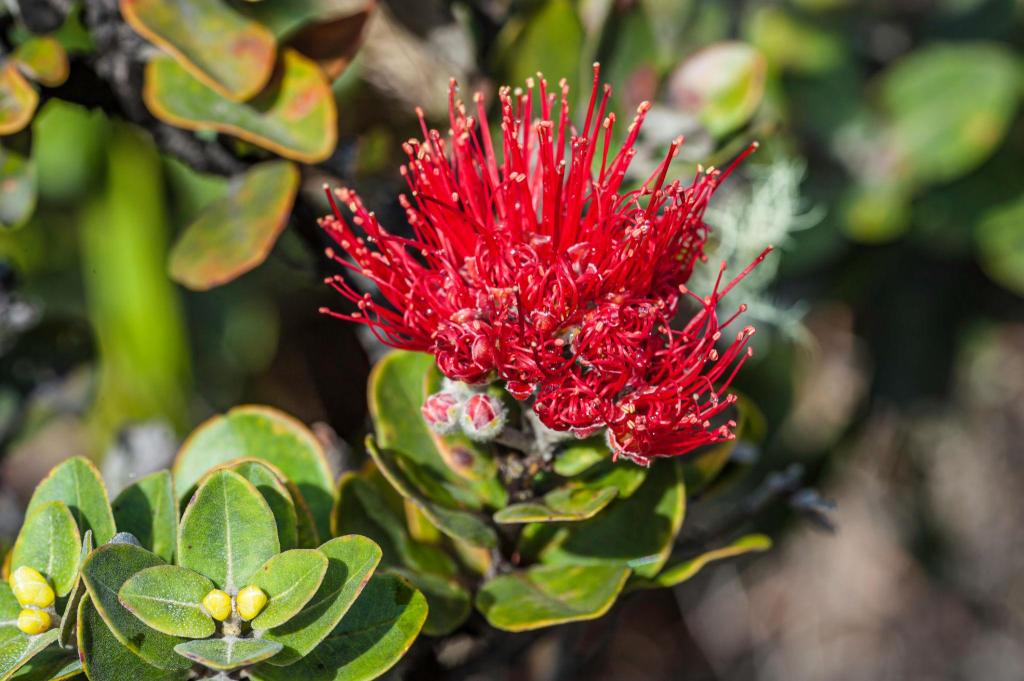
The endemic plants surviving volcanic landscapes and island climates for thousands of years.
These are living treasures.
Thousands of years ago, Hawaiians already understood something modern society is trying to relearn:
humans are not above nature.
We are inside it.
Sometimes tourists arrive in Hawaiʻi without understanding any of this.
They see Hawaiʻi as a product instead of a relationship.
And honestly, part of that is because the hospitality industry has trained people to consume Hawaiʻi instead of understand Hawaiʻi.
We market sunsets.
But not stewardship.
We market beaches.
But not the reefs dying underneath them.
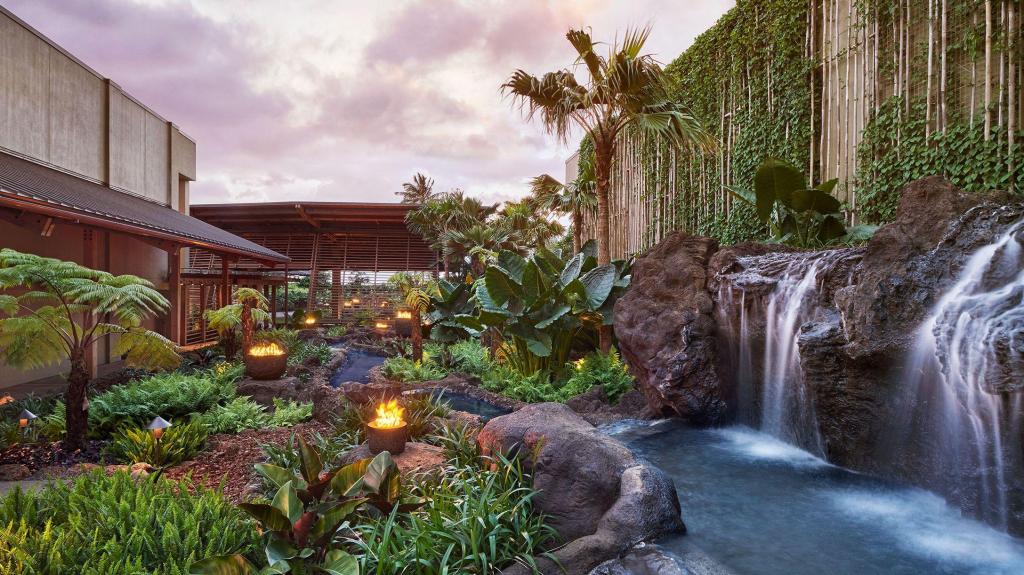
We market luxury suites.
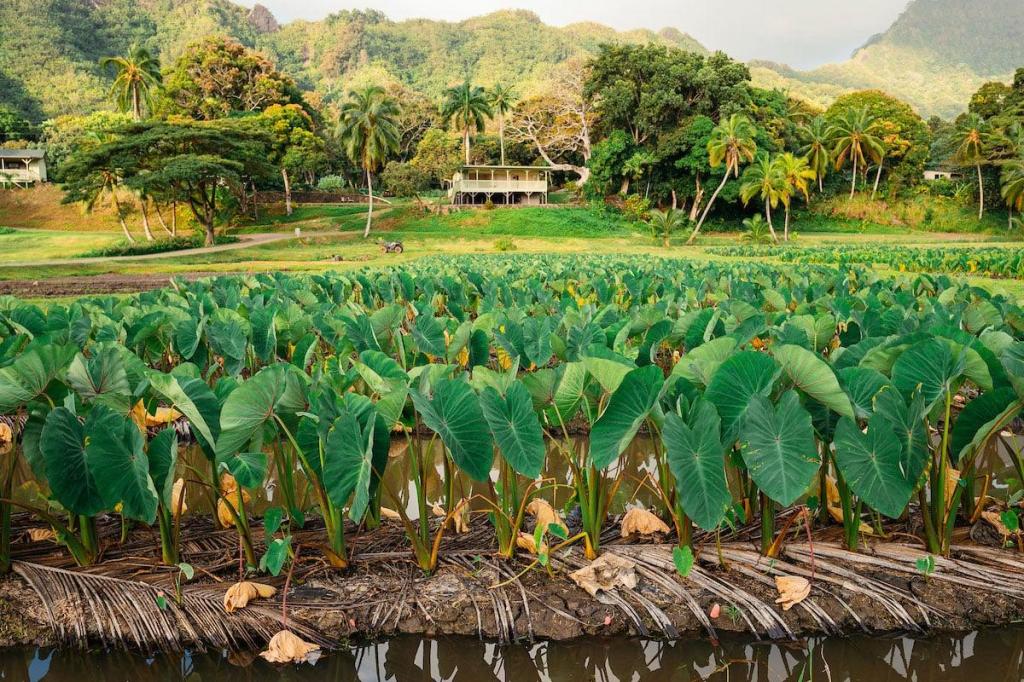
But not the ancient fishpond systems that once fed entire communities sustainably.
We market mai tais.
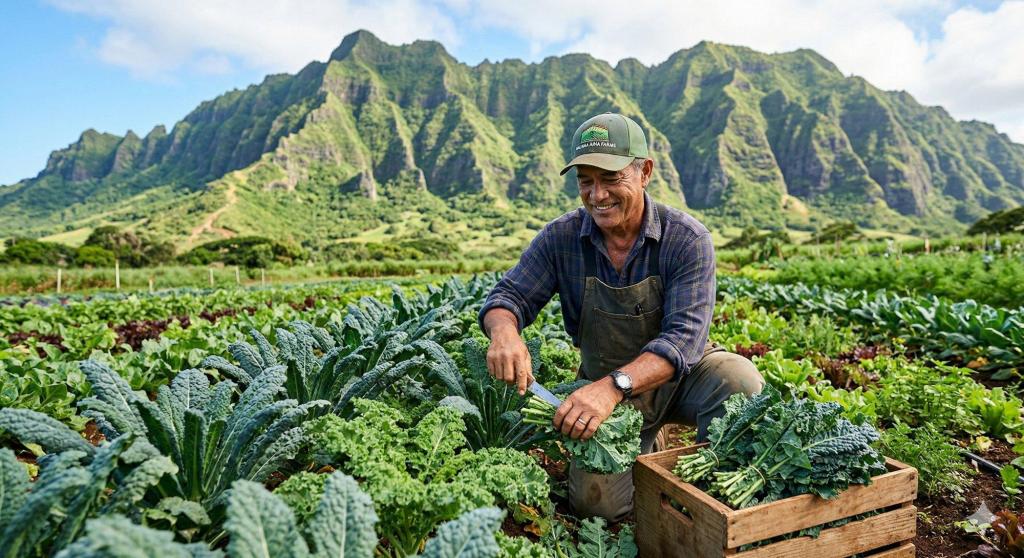
But not the local farmers trying to keep kalo and ʻulu alive while imported food dominates shelves.
Hospitality should not only welcome people.
Hawaiʻi hospitality should become a bridge into stewardship.
And I truly believe this could become one of the most important shifts in the global hospitality industry.
Because the future of luxury is changing.
People are exhausted.
Exhausted by noise, overconsumption, artificial lifestyles, crowded cities, influencer culture, fast tourism, and environments disconnected from humanity.
The next generation of luxury will not be loud.
It will be emotional safety.
Silence.
Clean water.
Fresh air.
Human warmth.
Healthy food.
Connection to nature.
Feeling spiritually grounded again.
The real luxury of Hawaiʻi is not excess.
It is rarity.
Rare clean water naturally filtered through volcanic rock.
Rare air carried across the Pacific Ocean.
Rare silence in a chaotic world.
Rare biodiversity surviving in isolation for centuries.
Rare relationships between people, land, and ocean that much of the modern world has forgotten.
That is the kind of luxury money alone cannot manufacture.
And Hawaiʻi already possesses all of this naturally.
But we need to completely change the way we tell the story.
Imagine arriving at a Hawaiʻi hotel and instead of giant commercial advertisements on LCD screens, guests quietly watch:
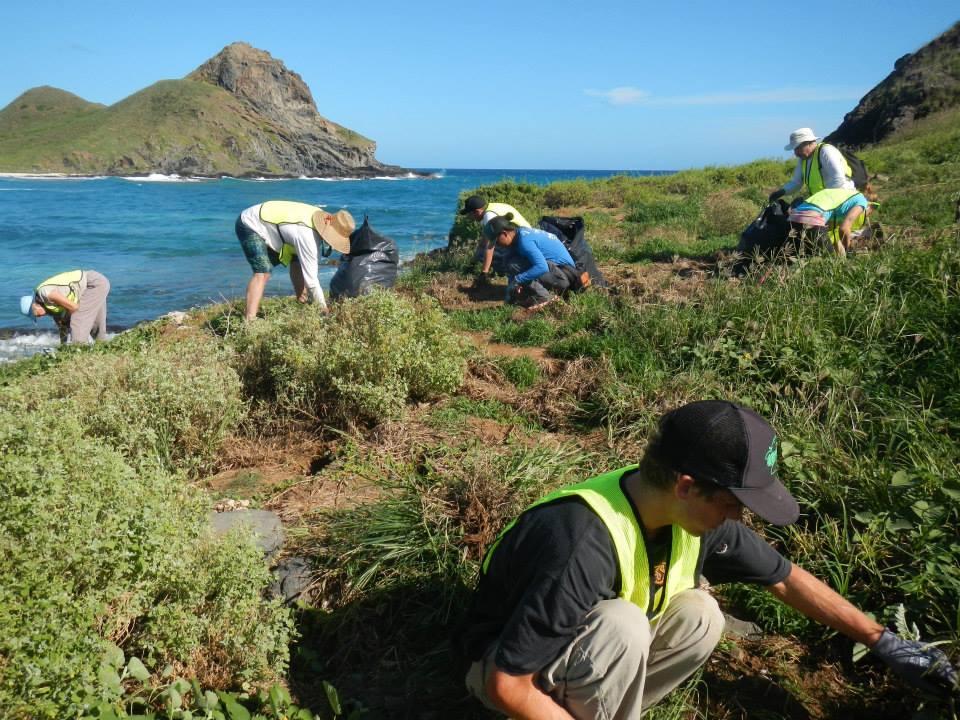
reef restoration footage,
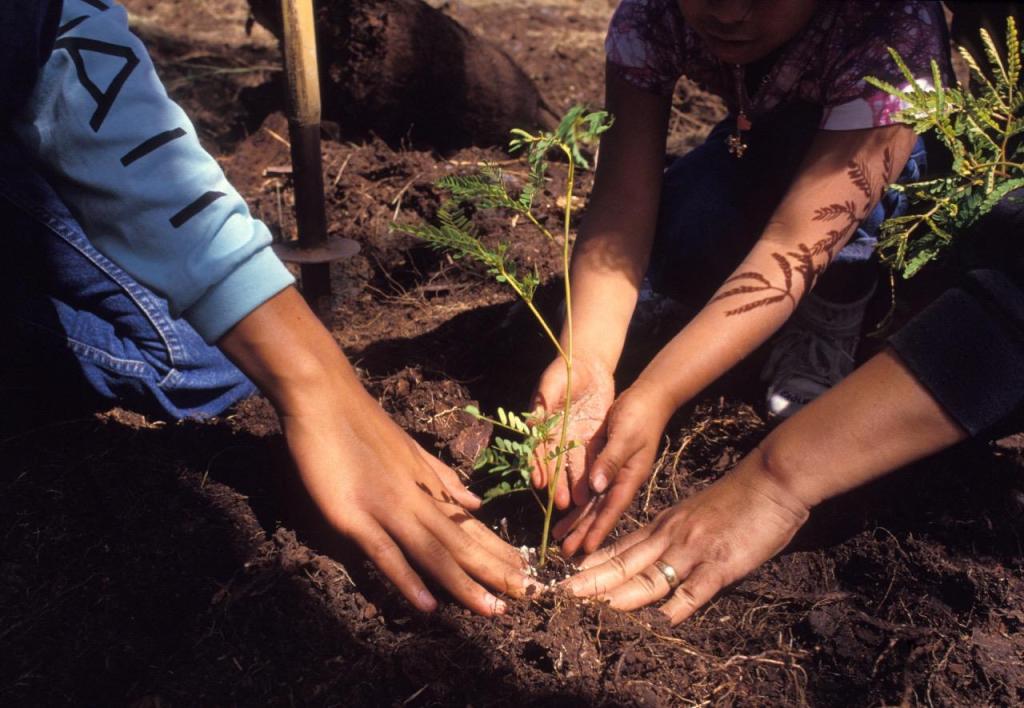
native forest recovery,
stories from kūpuna,
local fishermen explaining seasonal balance,
the volcanic journey of Hawaiʻi’s water systems,
the importance of native birds and plants,
before-and-after conservation efforts across the islands.
Not as guilt.
Not as political messaging.
But as emotional connection.
Because once people emotionally understand something, they naturally value it differently.
Imagine every luxury resort in Hawaiʻi deeply connected to local sustainable systems:
sourcing from local farms,
serving ʻulu, kalo, breadfruit, fresh island vegetables, and local fish,
reducing imported dependency,
supporting regenerative agriculture,
partnering with conservation nonprofits,
funding native species restoration,
creating paid educational experiences with local communities instead of superficial luaus designed only for entertainment.
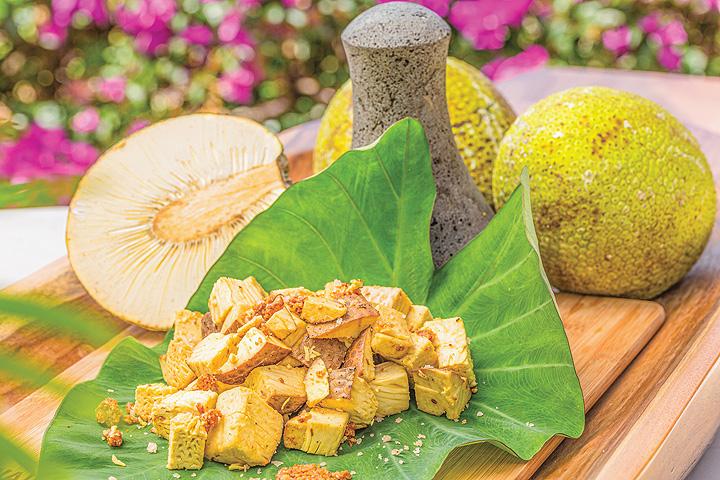
Imagine visitors joining fishpond restoration in the morning, eating locally grown food in the afternoon, and ending the night listening to stories about aloha ʻāina under the stars.
Not performative sustainability.
Real stewardship.
The hospitality industry has enormous power to shape human behavior.
Hotels influence:
what people eat,
what people value,
what people learn,
what they remember,
what they emotionally connect to.
So why not use hospitality to create better humans?
What if Hawaiʻi became the world’s greatest example of regenerative hospitality?
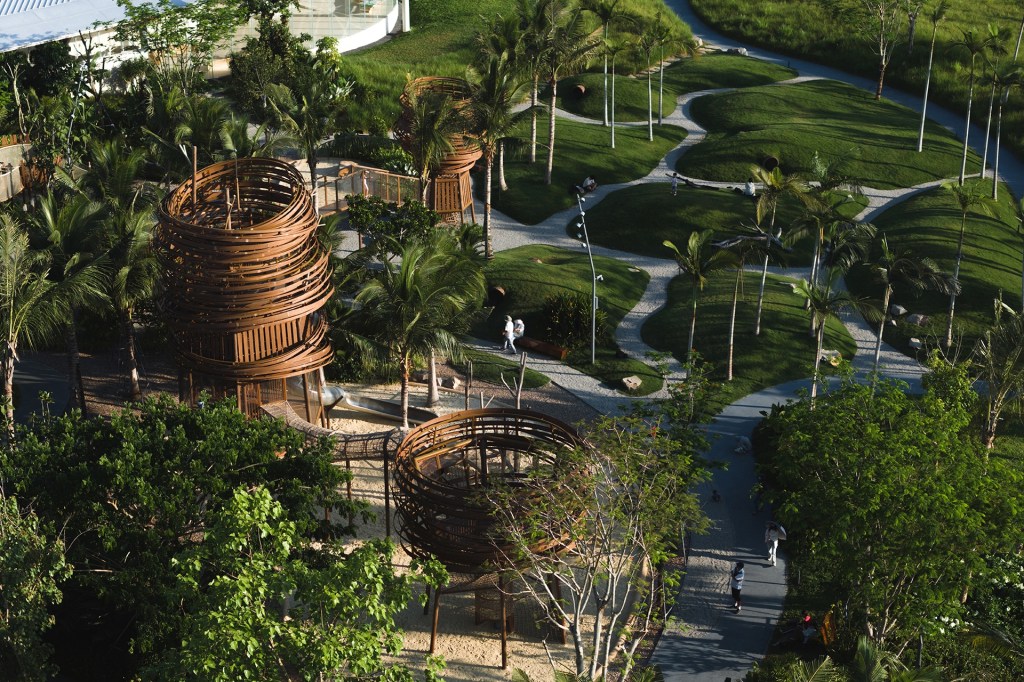
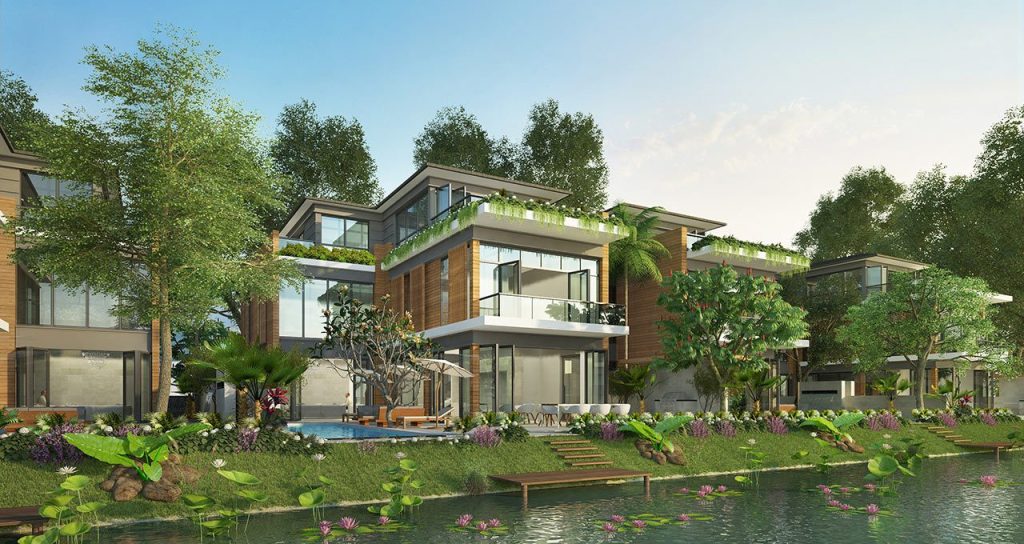
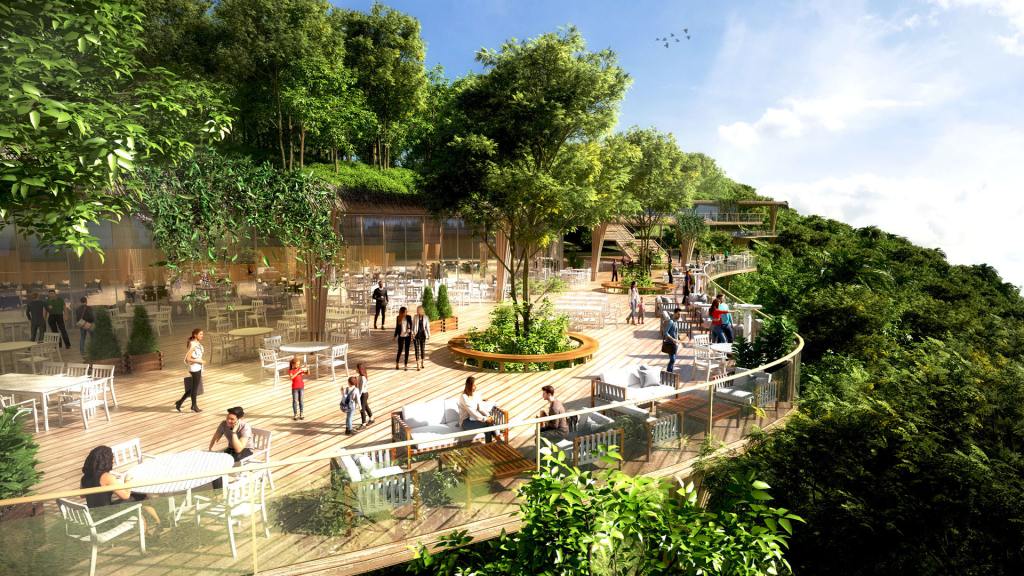
Not tourism that extracts from the land.
But tourism that emotionally reconnects humans back to the land.
People should leave Hawaiʻi understanding:
why water here tastes different,
why reefs matter,
why native forests matter,
why invasive species matter,
why Hawaiians honored the ocean long before sustainability became a global trend.
The true luxury of Hawaiʻi is not something tourists can afford after booking a flight.
The true luxury was already waiting here before they arrived:
living ecosystems,
clean water,
fresh air,
community care,
ancestral wisdom,
and a relationship with nature that much of the modern world has forgotten.
Maybe Hawaiʻi should stop trying to become another global tourism machine.
Maybe Hawaiʻi should become the place where the world comes to remember how humans are supposed to live on Earth.




Leave a comment