What Hawaiʻi can learn from Six Senses Con Dao and Amanoi
The world has become so loud that silence now feels expensive.
Not silence in an empty way.
Silence in a safe way.
The kind of silence where nobody is demanding anything from you. Where the night stays dark enough to see shadows moving across the water. Where architecture softens itself so nature can breathe first. Where luxury does not perform loudly because it already knows its value.
That feeling stayed with me after Amanoi and Six Senses Con Dao far more than the villas, the service, or even the price tags.
And maybe that is why Hawaiʻi has been on my mind so much lately.
Because Hawaiʻi already carried this feeling naturally long before luxury tourism learned how to package it.
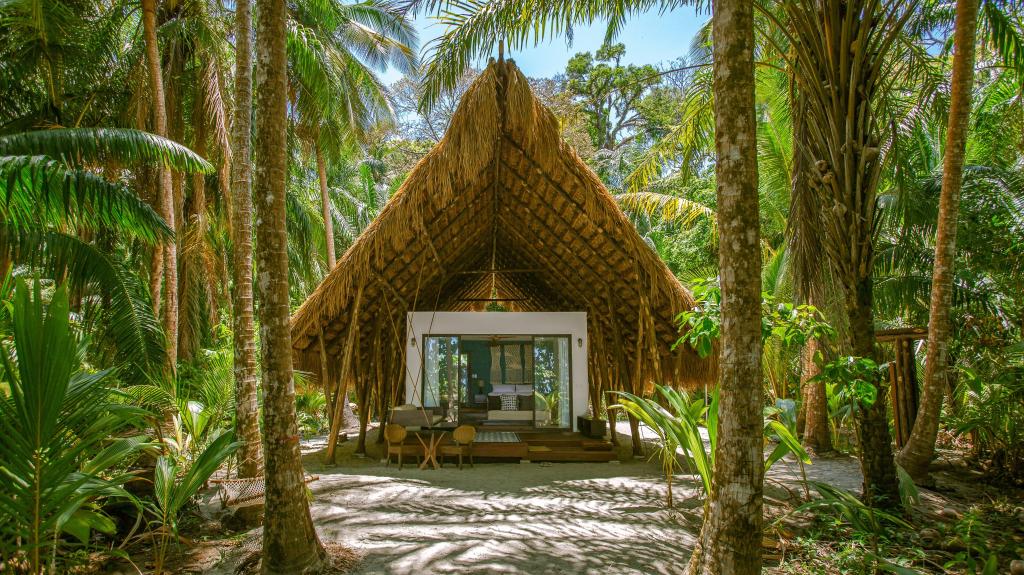
At Amanoi, some private residences can reach nearly $20,000 per night with private chefs, private housekeepers, wellness programs, and villas hidden quietly between mountains and sea.
But the experience never feels loud.
No giant chandeliers trying to impress people.
No overdesigned spectacle screaming for attention.
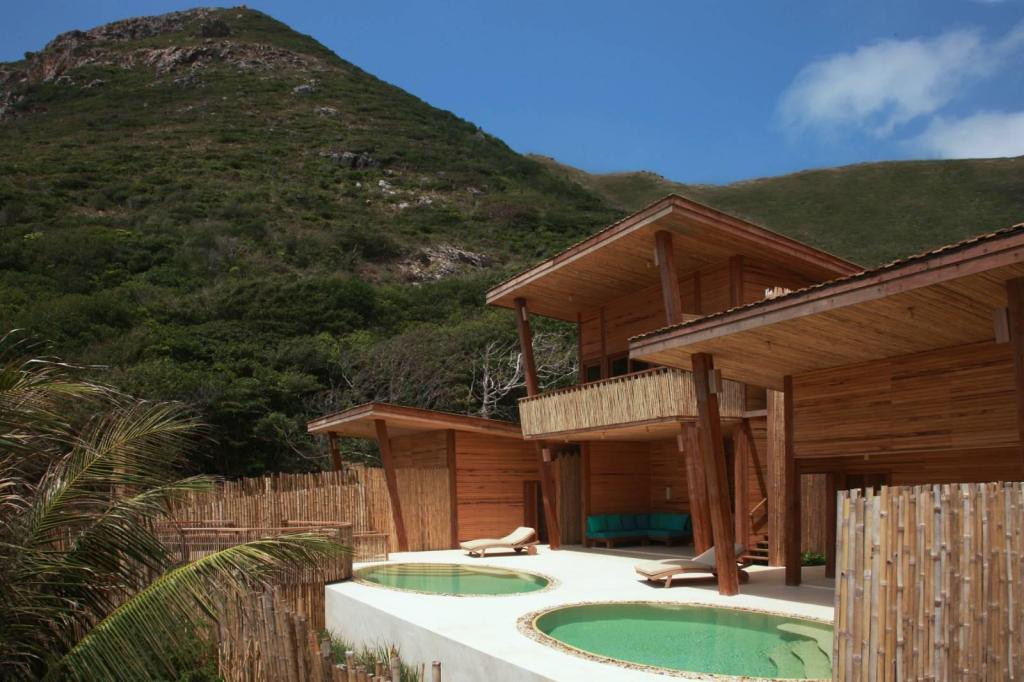
Just warm wood, stone, open air, soft lights, long shadows, and stillness.
At night, tea beside the pool somehow feels more luxurious than anything gold-plated ever could.
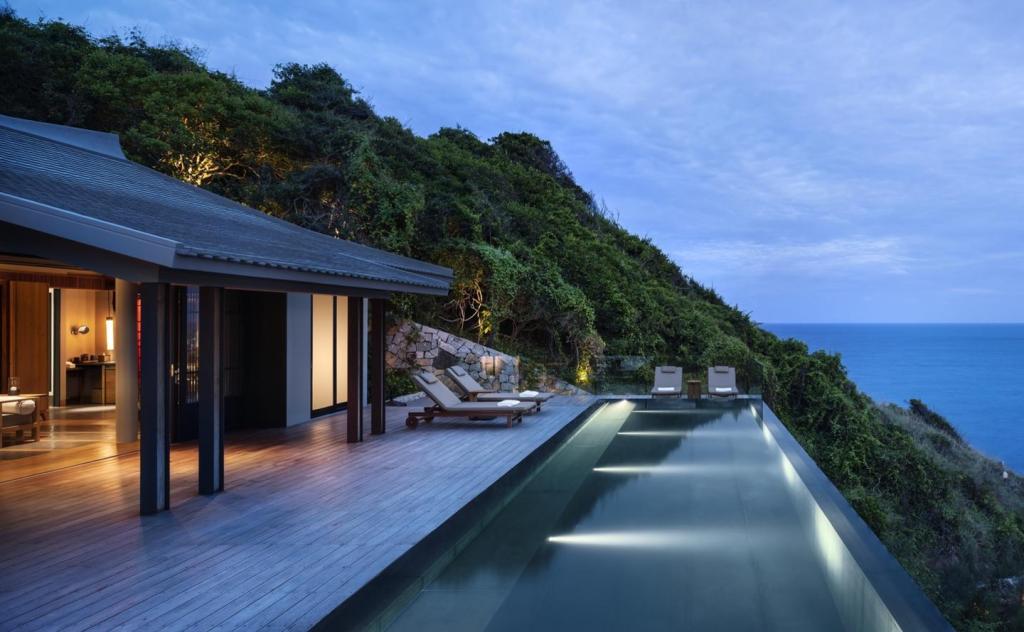
The mountains disappear into darkness. The ocean becomes sound instead of scenery. Even the buildings feel quiet, almost as if they were trying not to interrupt the landscape too much.
That is what people are really paying for.
Relief from noise.
Relief from overcrowding.
Relief from overstimulation.
Relief from modern life constantly pulling at human attention.
The modern world rarely allows people to fully rest anymore.
These places do.
At Six Senses Con Dao, luxury and sustainability are woven together so naturally that one almost disappears into the other.
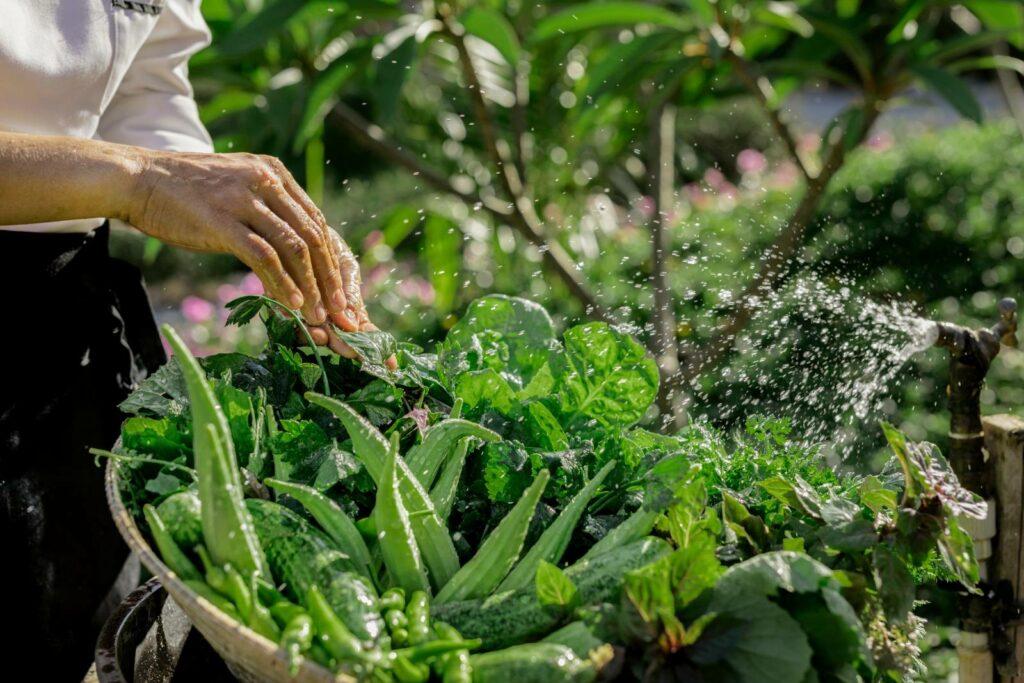
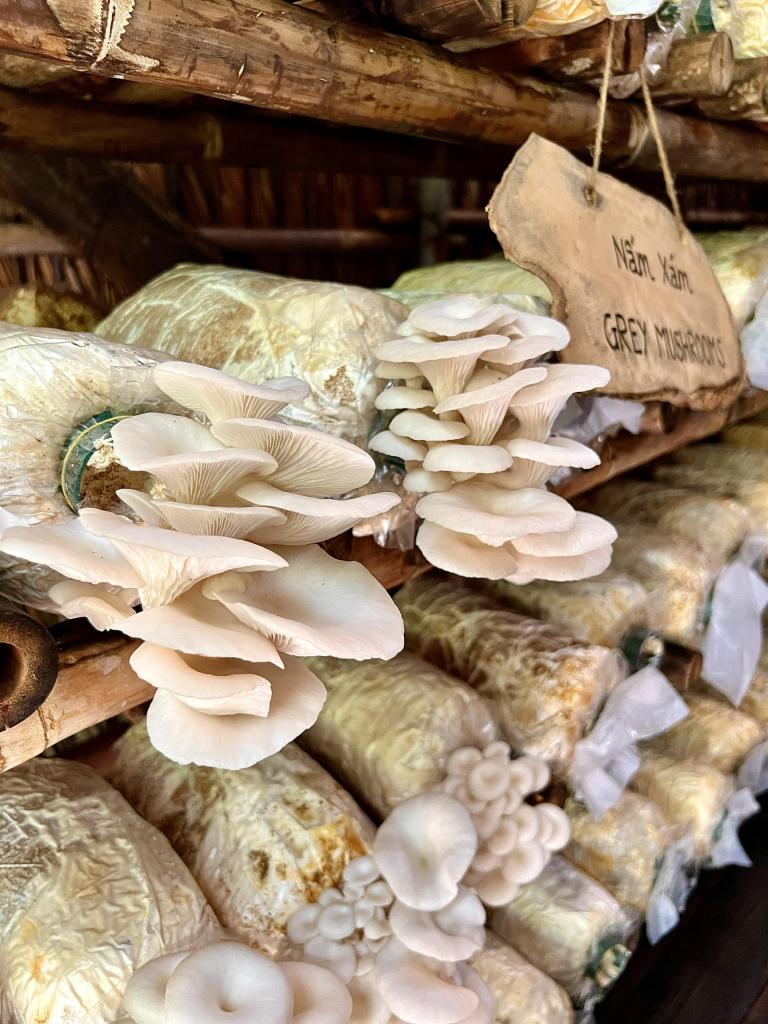
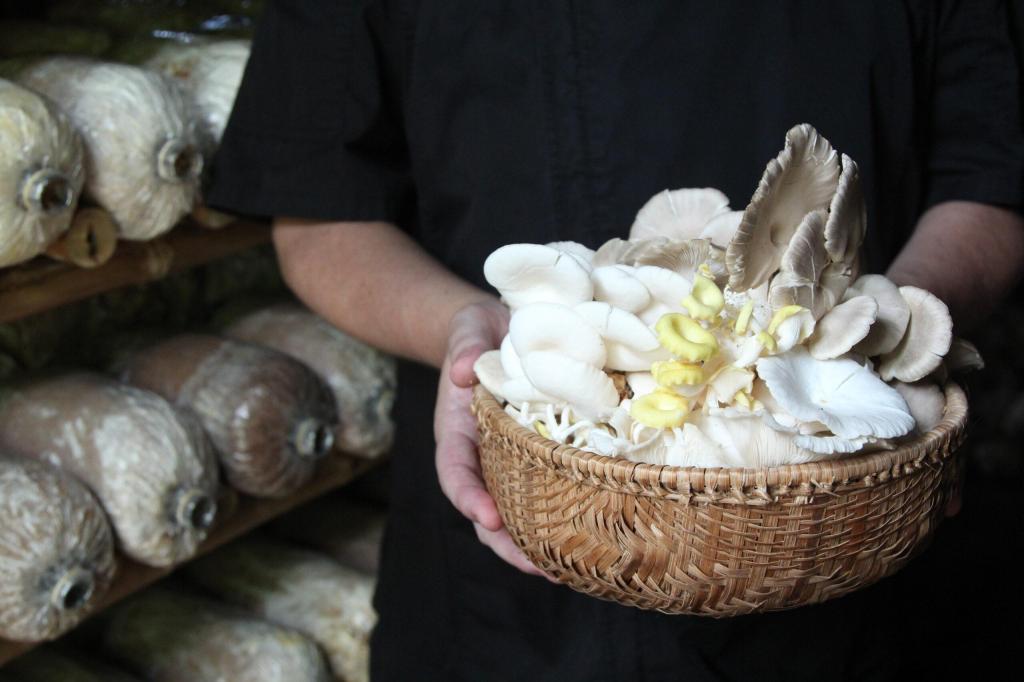
Vegetables, herbs, mushrooms, and edible flowers grow directly on the property. There are organic gardens, mushroom huts, and egg production supplying the kitchens. Reusable glass bottles replaced tens of thousands of plastic bottles. Beach cleanups and sea turtle conservation programs happen alongside the guest experience, with more than 30,000 endangered turtles protected and released through partnerships with Con Dao National Park.
Even waste feels treated with dignity there.
Nothing carries the energy of careless consumption.
And that changes the emotional atmosphere of a place more than people realize.
Because environments absorb human behavior.
Places built around extraction eventually feel exhausting.
Places built around care feel calm.
That difference is difficult to explain logically, but the body feels it immediately.
And somewhere between those quiet nights and slow mornings, Hawaiʻi kept returning to my mind.
Not the crowded version.
The softer Hawaiʻi.
The Hawaiʻi of early mornings near Ala Moana before the city fully wakes up. The Hawaiʻi where birds are louder than traffic. The Hawaiʻi where mountains still feel emotionally overwhelming from a bus window. The Hawaiʻi where darkness still exists outside the city.
That was Hawaiʻi’s real luxury all along.
Not shopping strips.
Not giant resorts.
Not commercialized paradise.
The real luxury was emotional distance from the rest of the world.
Hawaiʻi sat in the middle of the Pacific Ocean carrying a kind of natural exclusivity that money could never create artificially. Crossing an ocean changed people psychologically before they even arrived.
Distance protected the islands.
And now tourism keeps trying to remove every form of distance.
Everything becomes faster. Easier. Louder. More optimized for consumption. Hidden beaches become social media locations overnight. Peaceful spaces slowly lose their stillness.
Paradise begins performing for visitors instead of existing quietly as itself.
And that is when beautiful places start feeling emotionally lighter.
Not less beautiful.
Just more tired.
Hawaiʻi does not need to become more luxurious.
Hawaiʻi needs to become more protected.
The future of tourism should not revolve around how many people can be brought onto the islands at once. It should revolve around preserving atmosphere.
Because atmosphere is what people are truly searching for now.
Not stimulation.
Peace.
Hotels growing food locally.
Architecture blending into the landscape instead of overpowering it.
Reduced waste.
Protected coastlines.
Dark skies.
Quiet mornings.
Nature remaining larger than human activity.
That is the future of luxury.
Not excess.
Restraint.
The world is exhausted now.
Everyone is overstimulated. Cities never stop moving. Phones never stop buzzing. Human attention is constantly being bought and sold.
So when people finally encounter a place where their nervous system can soften, the experience becomes unforgettable.
That is why places like Amanoi and Six Senses have become so valuable globally.
Not because they are flashy.
Because they feel emotionally safe.
And Hawaiʻi already knows how to offer that feeling naturally.
The question is whether the islands will protect it carefully enough before the noise becomes too heavy to escape from.



 Heidi Ahihi
Leave a comment