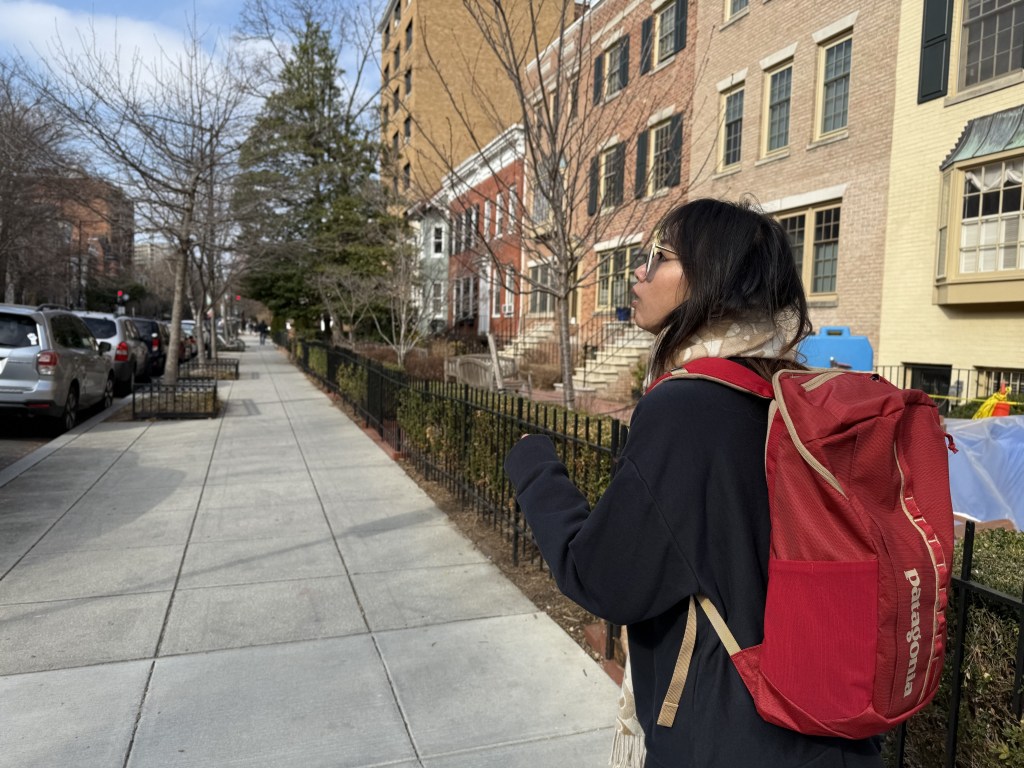
The other morning, while riding the bus after my beach walk, I found myself asking a question that refused to leave my mind.
Why does deep thinking seem to be disappearing?
Everywhere I look, people are scrolling.
Fifteen seconds.
Thirty seconds.
One minute.
Then the next video.
Then another.
The internet has become an endless buffet of entertainment, relationship advice, productivity hacks, and “life-changing” tips.
One video tells women to find a rich man.
Another tells them to never depend on a man.
One tells you to cut people off.
Another tells you to heal yourself first.
Everyone is speaking.
Almost nobody is thinking.
Is this generation becoming weaker?
At first, I wanted to say yes.
It feels as if many people no longer enjoy reading difficult books, discussing philosophy, questioning assumptions, or wrestling with uncomfortable ideas.
Anything requiring patience is immediately labeled:
“Too serious.”
“Too heavy.”
“That’s toxic.”
“I’m protecting my peace.”
It almost feels as though discomfort itself has become the enemy.
But then I stopped.
Perhaps that isn’t the right question.
Maybe they are not weaker.
Maybe the world has changed.
Imagine growing up thirty years ago.
You read a newspaper.
You watched one television program.
You borrowed books from the library.
Silence existed.
Boredom existed.
Long conversations existed.
Now imagine growing up today.
TikTok.
Instagram.
YouTube Shorts.
AI.
Group chats.
Notifications.
Algorithms competing for every second of your attention.
The human brain has not evolved in twenty years.
The environment has.
Perhaps this generation is not less intelligent.
Perhaps their attention is simply being pulled apart in a hundred different directions.
When everything becomes content…
Social media rewards one thing above everything else:
Attention.
Not truth.
Not wisdom.
Not depth.
Attention.
That is why a video saying,
“Find a millionaire before you’re 25.”
will spread faster than
“Let’s spend an hour discussing Adam Smith.”
It is why outrage spreads faster than reflection.
Why certainty spreads faster than curiosity.
Why confidence often beats wisdom.
The algorithm is not asking,
“Is this true?”
It asks,
“Will people watch until the end?”
Those are two completely different questions.
Mental health is important.
But something else is happening too.
I am grateful that my generation speaks more openly about anxiety, depression, trauma, and burnout than previous generations did.
That is real progress.
But I also wonder if some psychological language has started being used in places where ordinary life simply requires resilience.
Sometimes disagreement is called toxicity.
Sometimes criticism is called emotional abuse.
Sometimes intellectual challenge is called harmful.
Sometimes discomfort is treated as something to escape rather than something to learn from.
Growth has never been entirely comfortable.
Neither has education.
Neither has love.
Then I realized something surprising.
As I was asking,
“Why don’t students read anymore?”
I suddenly realized…
That is not the question I should be asking.
Especially if I want to become a teacher.
The real question is:
How do we help students discover that deep thinking is rewarding?
That changes everything.
Great teachers do not compete with TikTok.
They begin where curiosity already exists.
Nobody wakes up wanting to memorize supply and demand curves.
But people do wonder…
Why is Hawaiʻi so expensive?
Why do relationships succeed or fail?
Why do people make irrational decisions?
Why do some countries become rich while others remain poor?
Why do communities flourish while others collapse?
These are not textbook questions.
They are human questions.
Economics, psychology, philosophy, and history simply become the tools we use to answer them.
Curiosity comes first.
Books come second.
Perhaps education should stop trying to compete for attention.
Maybe its role is different.
Maybe teachers should become guides who help students move…
From a thirty-second video…
…to a thirty-minute conversation.
From a conversation…
…to a book.
From a book…
…to a lifelong habit of asking better questions.
Because that is what education really is.
Not memorizing information.
Learning how to think.
I do not believe the TikTok generation is hopeless.
I think many people are starving for meaning without realizing it.
Entertainment can fill time.
It cannot answer life’s biggest questions.
Eventually almost everyone asks:
Who am I?
What kind of life is worth living?
What is love?
What is success?
What is happiness?
No algorithm can answer those questions for us.
Sooner or later, we must sit quietly with them ourselves.
And perhaps that is what education should inspire again.
Not perfect students.
Not endless productivity.
But the courage to stay with one difficult question…
Long enough for it to change us.
“The purpose of education is not to give students more information. It is to help them fall in love with better questions.”
“The purpose of education is not to give students more information. It is to help them fall in love with better questions.”







Leave a comment