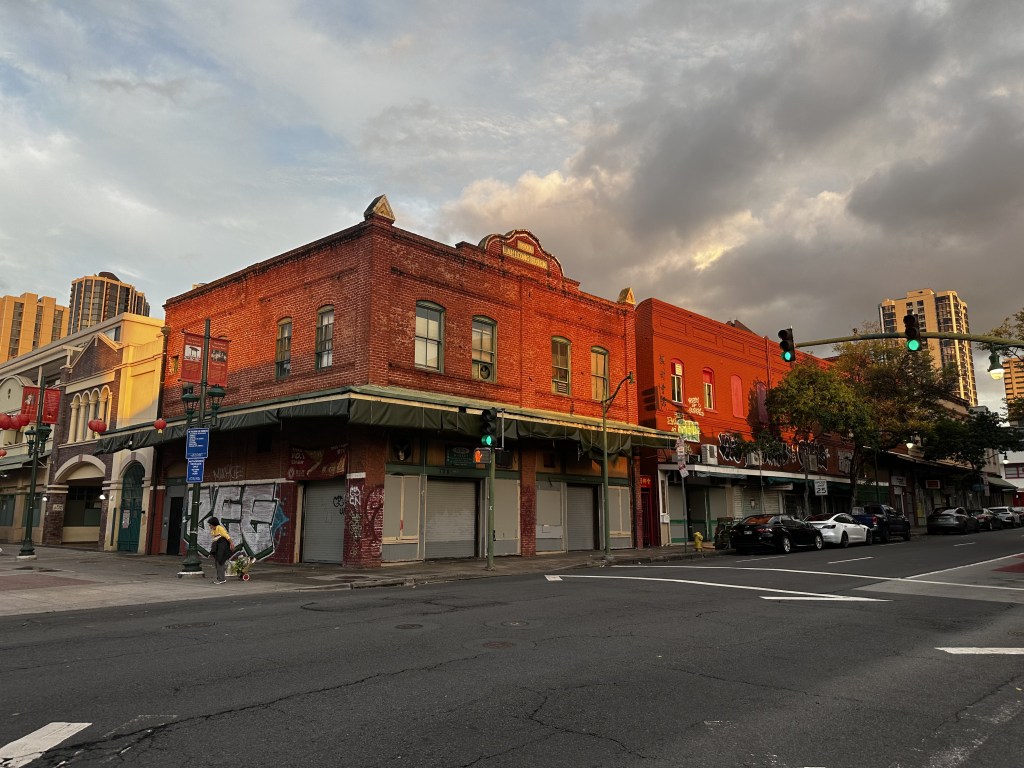
July 2026 – Chinatown, Honolulu
One thing I never expected economics to change was the way I buy groceries.
Growing up in Vietnam, going to the market was simply part of daily life. You bought what your family needed, chatted with the vendors, went home, and cooked dinner.
When I first moved to Hawaiʻi, grocery shopping felt more like a task than an experience. I walked into a store with a shopping list, compared a few prices, paid, and left.
After studying economics, and after cooking more often for my family recently, I realized I had started looking at markets differently.
Not because the markets had changed.
Because I had.
I Used to Look at Prices. Now I Look at Questions.
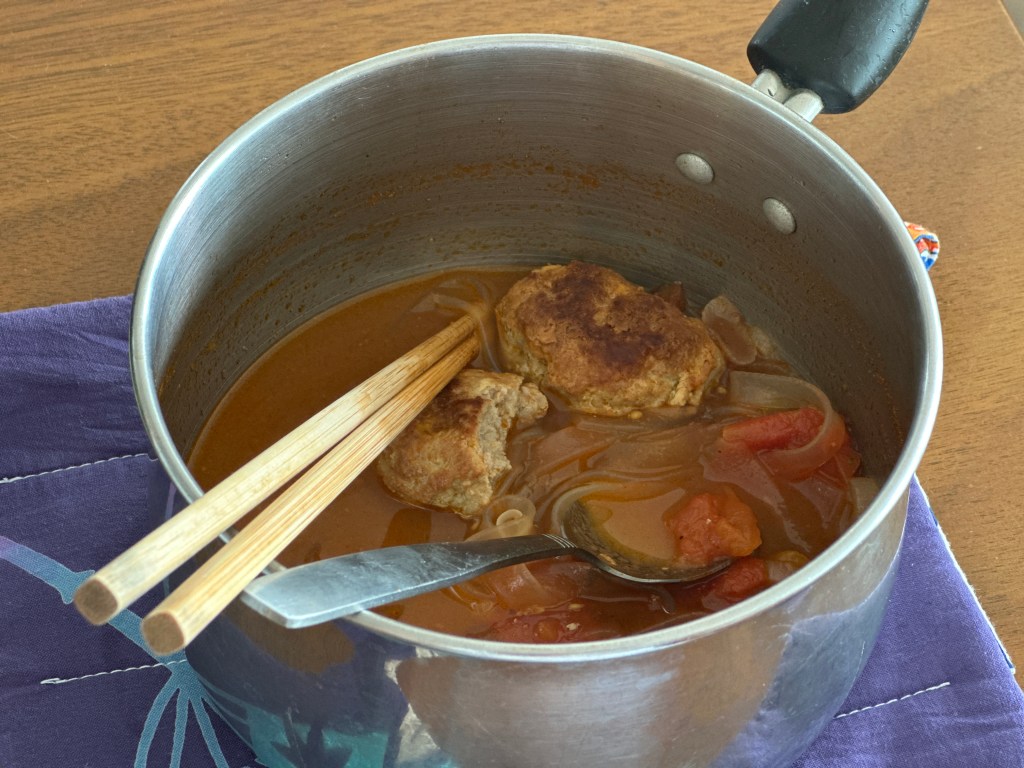
A few days ago, I went to Chinatown to buy chả chiên for dinner.
One shop was selling it for $10.
Another shop was charging $12.
At first glance, choosing the cheaper one seemed obvious.
But then I remembered something my family has always paid attention to.
Good chả chiên shouldn’t be too firm.
It should be soft, slightly springy, and carry the natural aroma of pork. When you cut into it, you should be able to smell the meat itself.
Sometimes, a firmer texture suggests that more starch or fillers have been added instead of pork. Of course, that isn’t always true, but texture and aroma are clues that experienced shoppers learn to notice over time.
In the end, I chose the $12 one.
Not because it was more expensive.
But because I believed it offered better value.
That small decision reminded me of something economists understand well.
Consumers don’t simply maximize savings.
They maximize value.
The cheapest option isn’t always the best choice.
And the most expensive option isn’t automatically the highest quality.
Every purchase is a comparison.
A Grocery Store Is Full of Questions
The more often I cook, the more questions I find myself asking.
Why are tomatoes more expensive this week?
Why does one vegetable stay fresh longer than another?
Why do some vendors always have a line of waiting customers?
Why are certain products imported while others are grown locally?
Every answer has a story.
Sometimes it’s weather.
Sometimes it’s transportation costs.
Sometimes it’s supply and demand.
Sometimes it’s simply because one vendor has built trust over many years.
The market hasn’t changed.
The way I observe it has.
Planning Before Shopping
Economics also changed what happens before I enter the market.
Instead of asking,
“What should I buy today?”
I now ask,
“What do I want to cook for the next few days?”
The meal plan comes first.
The shopping list comes second.
That simple change helps me waste less food, spend more intentionally, and make better use of what I already have.
Sometimes I buy a savory Vietnamese snack for $5 or $7 because I’m busy and need a quick meal.
Other times, I spend about $6 on ground pork from Green Island Market. With a little planning, that pork can become two or three home-cooked meals.
Neither choice is automatically better.
If I’m exhausted after work, the ready-made meal may be worth every dollar because it saves time and energy.
If I have time to cook, the same amount of money can feed me for several meals.
Economics reminds us that every decision involves trade-offs.
Money is only one part of the equation.
Time, nutrition, convenience, and enjoyment matter too.
Markets Reward Observation
One visit to the market tells us very little.
But if we return every week, we begin noticing patterns.
Which vendor consistently sells fresher herbs?
Which shop has the softest, most flavorful chả chiên?
When are tomatoes usually cheaper?
Which vegetables are in season?
Good shopping isn’t about memorizing prices.
It’s about building knowledge through repeated observation.
That realization reminded me of another lesson economics has taught me.
One observation creates a question.
Repeated observations reveal patterns.
Only then do we begin searching for explanations.
Sometimes Community Is the Best Investment
One thing I’ve also learned is that saving money isn’t always about finding the lowest price.
Sometimes it’s about sharing.
Costco is a good example.
The pork is usually excellent quality, and the price per pound is often much lower than buying smaller portions elsewhere.
The problem is that the packages are designed for families.
For one person, that’s often more meat than I can finish before it loses its freshness.
But if two families, friends, or neighbors split one package, everyone enjoys better quality meat, pays less per pound, and wastes less food.
That reminds me of a Vietnamese proverb my parents often repeated:
“Bán anh em xa, mua láng giềng gần.”
Literally, it means, “Sell your distant relatives and buy close neighbors.” Of course, no one is actually selling relatives.
The proverb reminds us that the people who live around us often become the ones we rely on most.
A good neighbor might share herbs from their garden.
Split a Costco package.
Exchange homemade soup.
Or simply help reduce waste by sharing what one household cannot finish alone.
Long before economists gave names to concepts like economies of scale, resource sharing, or social capital, communities had already discovered these ideas through everyday life.
Sometimes culture finds practical solutions before textbooks explain why they work.
The more I cook, the less I think grocery shopping is about buying food.
It’s about planning.
Observing.
Comparing.
Learning.
Building relationships.
Every trip to the market teaches me something new—not only about ingredients, but about people, communities, and the choices we make every day.
Maybe that’s why I no longer see a grocery store as just a place to spend money.
I see it as one of the best classrooms for learning economics.
And perhaps the next time I walk through Chinatown, I won’t be asking,
“What’s the cheapest thing I can buy?”
I’ll be asking,
“What story is this market trying to tell me today?”
—
Heidi Ahihi
“Discovering economics through everyday life in Hawaiʻi.”





Leave a comment